But the ecological and regional aspect is missing
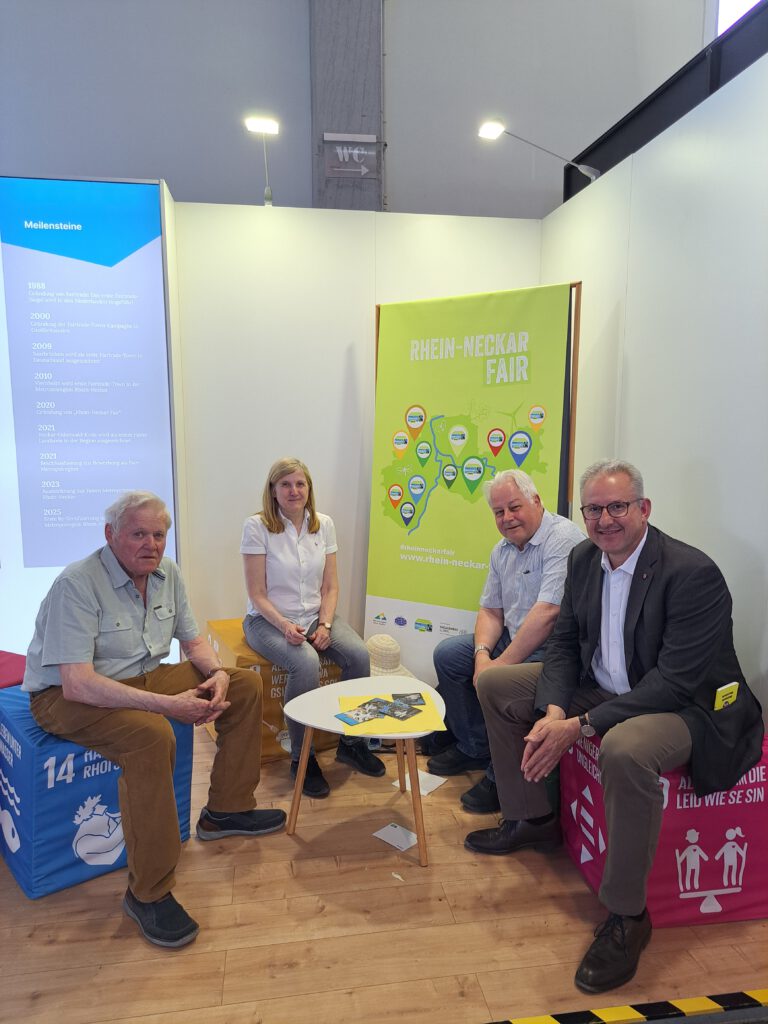
Rhein-Neckar district. In 2000, the worldwide “Fair-Trade Towns” campaign was launched. Municipalities, districts and regions can apply for the award. Several towns and municipalities in the Rhein-Neckar district are already certified as “Fair-Trade Towns”. Being classified as a “Fair-Trade district” would also offer the opportunity to further develop and promote the existing networks between the individual Fairtrade initiatives in the district. This also involves promoting regional products.
At the most recent meeting of the district council (Kreistag), the large majority of members approved the following resolution:
1. The Rhein-Neckar district takes part in the “Fair-Trade Towns” campaign and seeks certification as a “Fair-Trade district”.
2. The administration is instructed to take the necessary steps to meet all the criteria required for certification.
The requirements include that at least 65 shops and 33 restaurants and cafés in the Rhein-Neckar district offer at least two certified Fairtrade products. At least three schools, three churches or faith communities and three clubs must each carry out information and education activities on fair trade.
In giving the approval of the FDP district council group, its leader Claudia Felden pointed out that fairly traded coffee has been standard at many events for years, and that it should actually go without saying that one pays a fair price for a product, one that the farmers in particular can live on. Everyone is called upon here as consumers. This is also becoming ever easier, as many discount stores now offer such products. Setting an example and raising public awareness is therefore expressly supported by the FDP district council group. Claudia Felden was critical of the certification because of bureaucratic requirements such as a steering group and prescribed activities. Given its size, the “products” criterion should be easy for the Rhein-Neckar district to meet. However, the FDP group felt that the ecological and regional aspects were missing from the Fairtrade topic. After all, an apple from local traditional orchards should really be preferred to an air-freighted pineapple, however fairly traded it may be. But the local apple cannot receive a Fairtrade label, which Claudia Felden regretted. Nevertheless, the FDP in the district council approved the proposal and would like to see more action from this point of view.