FDP district council group calls for an attractive childcare offer
Rhein-Neckar district. Childminding (Kindertagespflege), that is, the work of childminders, plays an important role in early childcare. It is an important complement to day-care centres, i.e. nursery schools and crèches. Childminders must complete qualification courses for this work, and their premises must be suitable. Premises and work are inspected regularly by the youth welfare office. Because childminders can arrange both their hours and the length of care flexibly, this form of childcare is a welcome alternative to the less flexible day-care centres for working parents with unusual working hours, e.g. shift work. Childminders are also often the only short-term option for having children aged 1 to 3 looked after. Childminders are paid by the district, while parents pay their parental contributions to the district.
In the current debate in the district council (Kreistag) of the Rhein-Neckar district on raising parental contributions for children in childminding, it became clear that these particular features of childminding are not sufficiently taken into account. This led to a clear statement by the FDP district council group against the proposed by-law governing parental contributions in its current form.
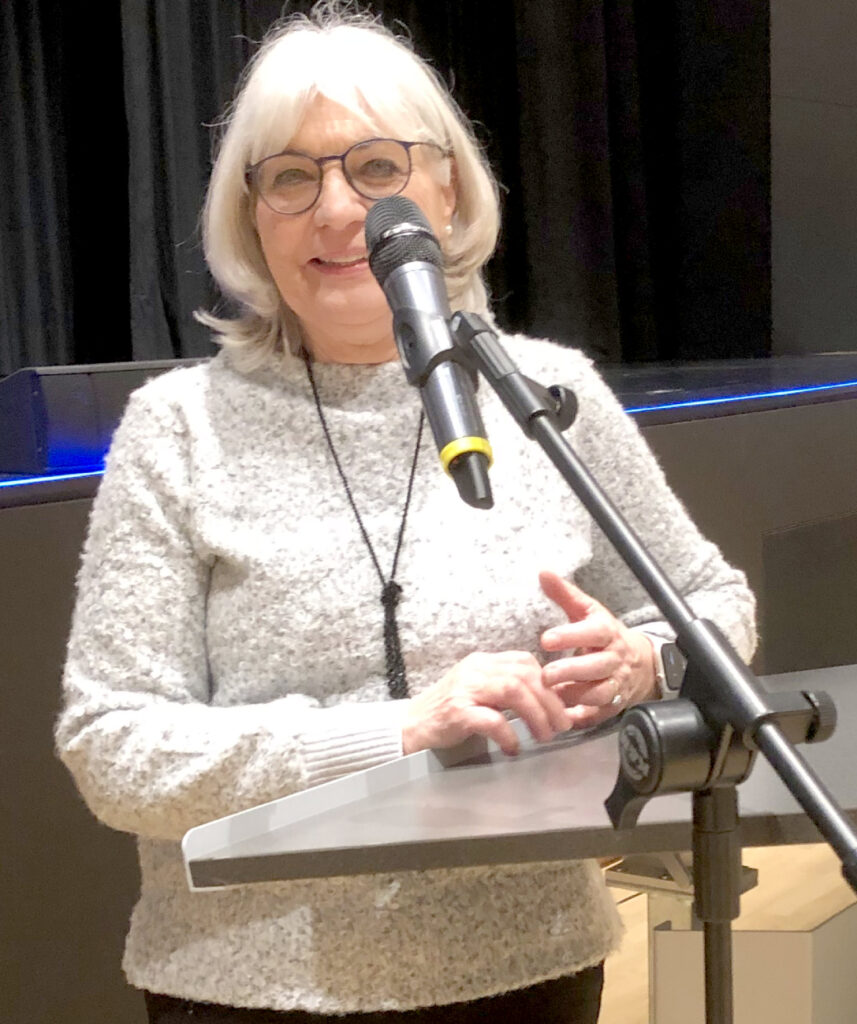
In her statement, FDP district councillor Bärbel Seemann stressed that parental contributions had already been raised by 60% at the beginning of 2025. There had been broad agreement that an adjustment of the contributions after ten years was justified and would remain in place for the time being. Now, barely a year later, the next increase has been announced. In addition to the upcoming increase, the basis for calculating contributions has also been changed, namely to the level of a crèche place, so that the nominal increase is considerably higher than the percentage suggests.
A central point of criticism concerns the fundamental differences in provision and cost structure between childminding and day-care centres. While day-care centres, for example, have a fixed staff-to-child ratio, childminders offer more flexible and individual care. Likewise, overheads (building work, staff such as caretakers, cleaners, catering) arise in day-care centres but not in childminding. Nevertheless, the setting of contributions has so far been based mainly on the structures of day-care facilities, which results in a structural disadvantage for childminding in particular.
The by-law on parental contributions is based on the recommendations of the churches and the municipal associations at state level. These contain an annually updated table with recommended parental contributions for the various types of day-care centre. However, this document also points out that the parental contribution should not exceed 20% of the total costs of the facility. While the cost table from this document is to be applied to childminding, the 20% rule, according to the wishes of the Landkreistag (association of districts), is to be applied exclusively to day-care facilities. For childminding, it is considered to be “misapplied”. In the view of many experts and those affected, this is incomprehensible, as the statements contained in the recommendations could and should in principle be transferred to different forms of care.
It is also criticised that the contributions are being aligned with the higher costs of crèche places in day-care centres without distinguishing between age groups. The more expensive crèche rate is to be paid even for children over three. Yet the remuneration of childminders does distinguish between children under and over three: the hourly rate for looking after children over three is lower. This is a further example of the inconsistent treatment of childminding.
The FDP group was unable to approve the proposed by-law, but was outvoted by the CDU, FWV and SPD, so that parental contributions for childminding will rise massively in the coming years.
The FDP group in the Rhein-Neckar district council believes that, against the background of continuing falling birth rates, it is important to provide an attractive offer of childcare, especially for children aged 1 to 3. Childminding is a flexible service that complements day-care centres. If the costs are too high and/or the circumstances are not suitable, mothers will as a rule stay at home longer and may decide against having more children. During their children’s early years they forgo career opportunities and also pay no taxes or pension contributions, which are ultimately needed to stabilise pension revenue.
National and international studies, however, show that childcare clearly has positive economic effects.
The FDP Rhein-Neckar district council group would have wished both the administration and the majority in the district council to have followed this broader perspective.